
ASCLA News
Zero-Emission Trucks: The Global Memorandum and Australia’s Position
By Steven Ballerini | CEO of Australasian Supply Chain & Logistics Association (ASCLA) On 11 May 2026, the Victorian Government endorsed the Global Memorandum of Understanding on Zero-Emission Medium and Heavy-Duty Vehicles, joining the Australian Capital Territory as the second Australian subnational signatory. The Memorandum is the principal international coordination instrument on heavy-vehicle decarbonisation, with…
Read MoreWhat the Federal Budget Means for Australian Supply Chains
By Steven Ballerini | CEO of Australasian Supply Chain & Logistics Association (ASCLA) On Tuesday 12 May 2026, Treasurer Jim Chalmers handed down a Federal Budget that, for the first time in years, places supply chain and freight at the centre of the national economic conversation. The $14.8 billion Strengthening Australia’s Fuel Resilience package, $1.75…
Read MoreThe Amazonification of Logistics: Why Every Supply Chain Leader Should Be Watching This Week
By Steven Ballerini | CEO of Australasian Supply Chain & Logistics Association (ASCLA) Every now and then a single announcement reframes how an industry thinks about itself. On Monday 4 May 2026, Amazon launched Amazon Supply Chain Services, opening its global logistics infrastructure to any business in the world. Within hours, FedEx shares had fallen…
Read More$6.15 Billion Reasons to Rethink Supply Chain Resilience
By Steven Ballerini | CEO of Australasian Supply Chain & Logistics Association (ASCLA) Australia’s supply chains have been under sustained pressure for the better part of three years. Fuel price volatility, geopolitical shocks, freight bottlenecks, and the lingering structural weaknesses exposed by the pandemic have made resilience the defining challenge of this decade for logistics…
Read MoreASCLA Mag April 2026
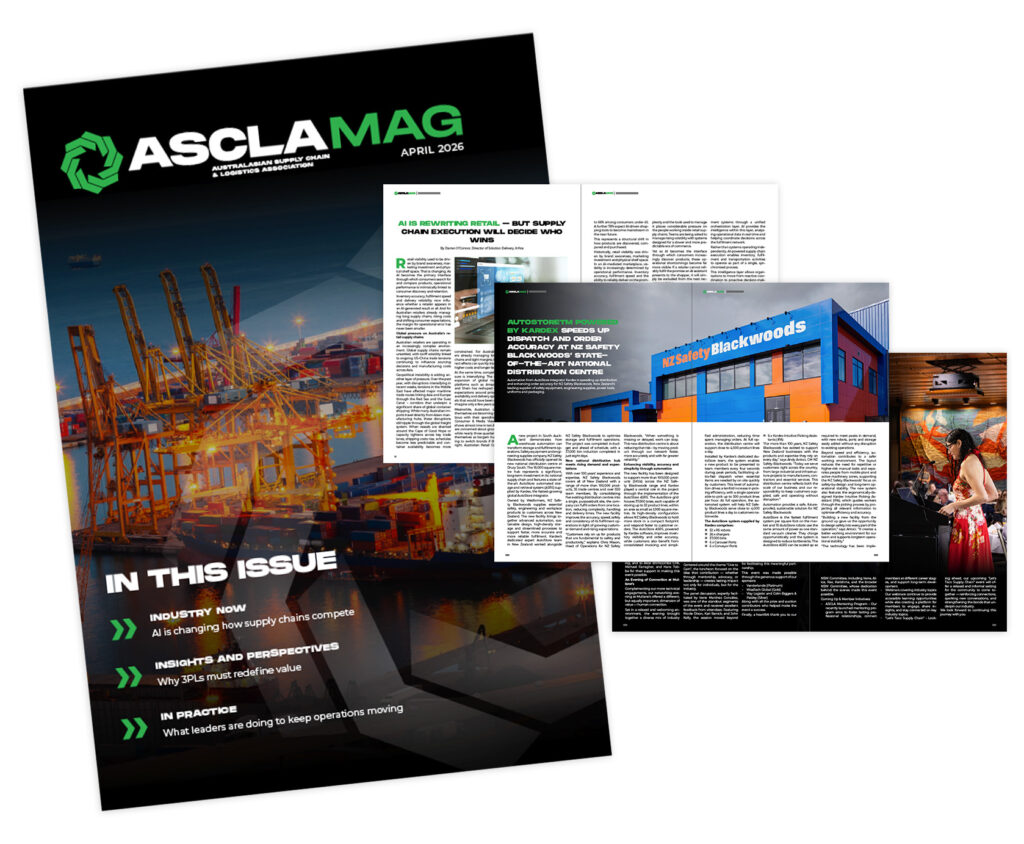
The first edition of ASCLA Mag brings together perspectives, challenges, and developments shaping supply chain and logistics across Australasia right now. From AI-driven change and shifting retail dynamics to the operational pressures facing teams on the ground, it reflects what the industry is experiencing and how leaders are responding. Built from within the ASCLA community,…
Read MoreThe Panic Buying Trap
By Professor Ben Fahimnia Panic buying feels like self-protection. When people hear about war, rising fuel prices, or supply disruptions, the instinct is simple: buy more now before things run out or become more expensive. But panic buying rarely protects anyone. In fact, it often accelerates the very shortages people are trying to avoid. This…
Read MoreJB Hi-Fi Group and FarEye Partner to Deliver the Future of Retail Logistics Across Australia

FarEye powers the delivery ecosystem for JB Hi-Fi and The Good Guys, orchestrating 350+ stores, multiple carriers, and millions of deliveries across Australia and New Zealand. JB Hi-Fi Group, one of Australia’s largest retail organisations and home to JB Hi-Fi and The Good Guys, has partnered with FarEye, the global leader in intelligent delivery orchestration,…
Read MoreIndustry Leaders Signal Rapid Acceleration in Logistics Automation Across New Zealand
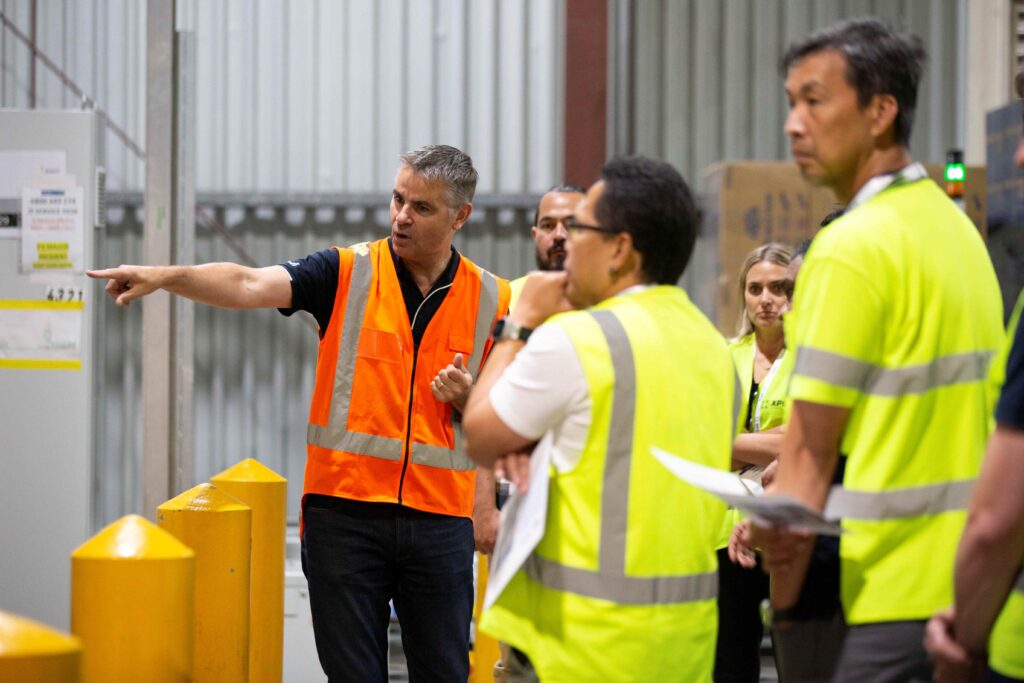
Auckland, New Zealand — Warehousing and logistics are rapidly shifting from back‑office functions to strategic drivers of productivity, resilience and customer performance for New Zealand businesses. That momentum was on full display at the exclusive launch function celebrating the arrival of Logistics Automation New Zealand powered by CeMAT, where more than 100 industry professionals gathered…
Read MoreFrom Industry Demand to Law: What the Fair Work Act Amendments Mean for Road Transport
By Steven Ballerini | CEO of Australasian Supply Chain & Logistics Association (ASCLA) Australia’s road transport sector has spent weeks absorbing one of the sharpest fuel price shocks in recent memory. Diesel exceeding $3 per litre in some regions, a wave of small trucking business collapses, and a worsening road safety toll have turned a…
Read MoreFrom Crisis to Coordination: What the Fuel Emergency Means for Australia’s Supply Chains
By Steven Ballerini | CEO of Australasian Supply Chain & Logistics Association (ASCLA) Australia’s fuel supply chain was never designed to absorb three simultaneous shocks at once. The US-led military campaign against Iran, the partial closure of the Strait of Hormuz, and the domestic panic-buying wave that followed have combined to create conditions our logistics…
Read More