

The Three Supply Chain Priorities Driving Success in 2026
By Steven Ballerini | CEO of Australasian Supply Chain & Logistics Association (ASCLA)
2026 is the Year of the Fire Horse. Known for energy, ambition, and bold action, the Fire Horse seems a fitting symbol for Australian businesses, which will need to move quickly, embrace change, and act decisively to remain competitive on the global stage.
Technology is advancing at lightning speed, global markets are shifting faster than ever, and customer expectations continue to rise. Every challenge brings new opportunities, but success this year will hinge on how well businesses adapt, innovate, and stay ahead of the curve.
Amid the uncertainty and debate about supply chain priorities, three areas stand out for 2026: leveraging technology and automation, building resilience and managing risk, and embedding sustainability into strategy.
Focusing on these priorities will help supply chain leaders do more than keep the wheels turning; they’ll turbocharge efficiency, boost resilience, and steer growth across their networks.
1. Technology and Automation as a Core Enabler
Technology has been transforming the way we work for decades, but in recent years, it has clearly shifted from being just a tool to a key driver of growth. Artificial intelligence, machine learning, automation, and digital platforms are now central to improving efficiency, responsiveness, and decision-making across businesses.
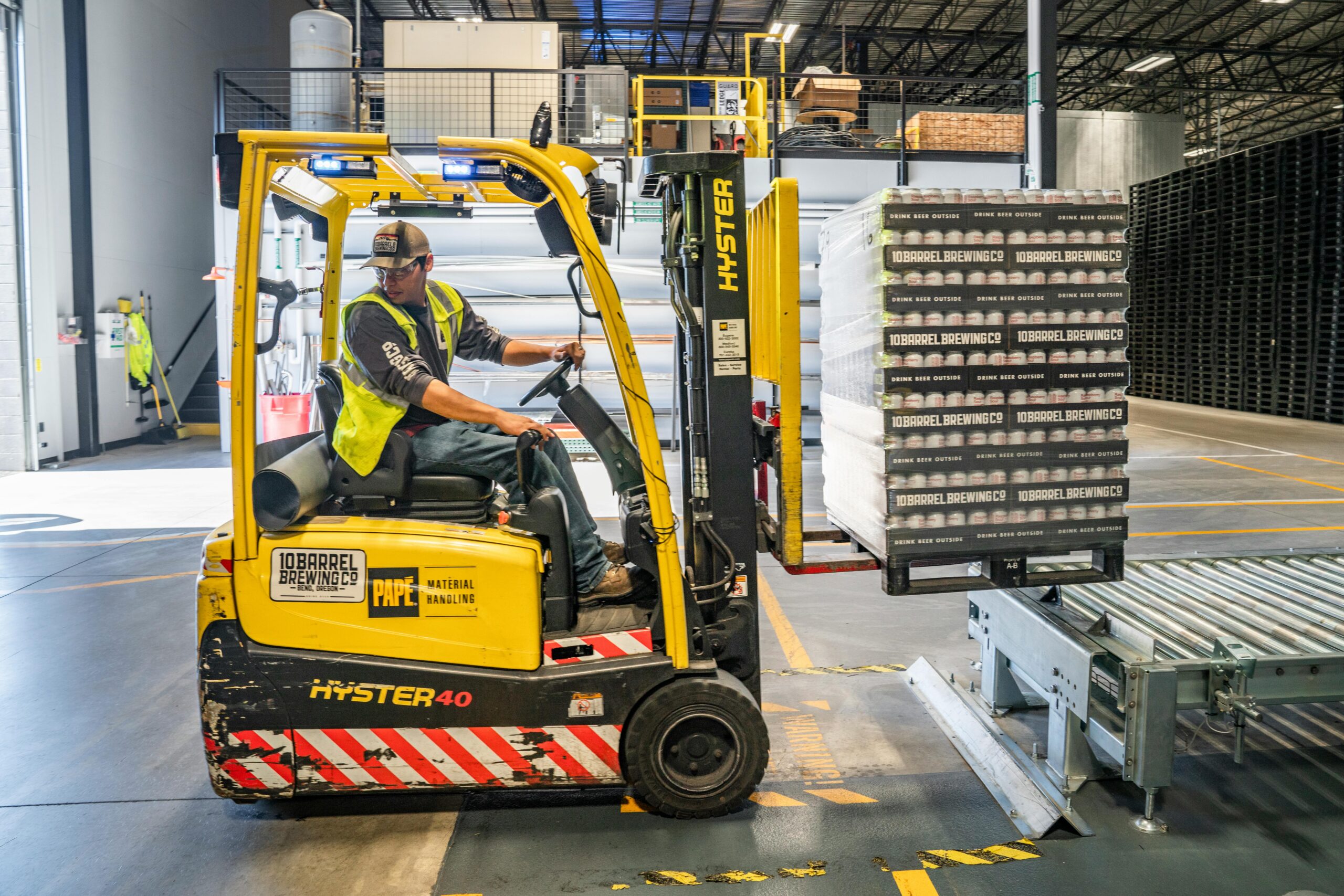
Across Australia, companies are using AI and analytics to forecast demand, optimise operations, and streamline supply chains. Predictive analytics allows organisations to anticipate customer needs, adjust inventory, and respond quickly to market changes. In warehouses and logistics networks, automation and robotics are being rolled out more widely, improving accuracy, throughput, and safety. At the same time, digital twins and real-time monitoring allow businesses to simulate scenarios and solve operational challenges before they arise.
Technology is also enhancing customer connections. Digital tools provide insights into behaviour and preferences, enabling more personalised solutions and a better overall experience. Research from Manhattan Associates shows that 81 per cent of Australian supply chain leaders expect new technologies to reduce freight costs and improve efficiency, reflecting strong confidence in digital innovation.
In 2026, technology will be the foundation on which Australian businesses differentiate themselves, innovate faster, and compete globally.
2. Resilience and Risk Management as Strategic Priorities
If the past few years have taught us anything, it’s that change doesn’t just happen; it hits fast, hard, and often from unexpected directions. Geopolitical tensions, trade disruptions, natural disasters, and supply chain bottlenecks have all made one thing clear: resilience can’t be an afterthought. It’s now a strategic imperative.
Australian companies are building flexible supply chains, diversifying suppliers, and embracing multi-sourcing strategies to spread risk. Nearshoring and modular network designs give businesses the ability to pivot on a dime when the unexpected strikes. Scenario planning and real-time monitoring provide the insights needed to respond decisively rather than react blindly.
Resilience goes beyond keeping the wheels turning. It’s about strong partnerships, investing in workforce capability, and designing adaptable business models. Companies that bake resilience into their strategy aren’t just surviving, they’re gaining a competitive edge.
According to the Australian Industry Group’s 2025 Trade & Supply Chain Survey, 44 per cent of manufacturers and 30 per cent of other industrial businesses plan to increase their investment in supply chain resilience this year, with digital technologies and warehousing capacity among the leading areas of focus. Digital logistics and automation technology are topping capital expenditure plans as companies seek greater flexibility and agility to respond to disruption.
3. Sustainability and ESG as Drivers of Competitive Advantage
Sustainability has graduated from a box-ticking exercise to a true competitive weapon. Environmental, social, and governance considerations are shaping investor decisions, driving customer loyalty, and raising the bar for regulatory compliance. For Australian businesses aiming to stay ahead, embedding sustainability into operations and strategy is no longer optional; it is essential.
Green initiatives like energy-efficient operations, sustainable supply chains, and emissions reduction are fast becoming table stakes. Companies are investing in low-emission transport, circular economy practices, and digital platforms that boost transparency and traceability. These moves do not just shrink environmental impact; they also cut costs, improve efficiency, and strengthen ties with eco-conscious customers.
Sustainability is not just about green credentials. Strong ESG practices support brand reputation, mitigate risk, and attract investment. Take Linfox, Australia’s largest privately owned logistics and supply chain company. Its GreenFox program has slashed emissions, rolled out heavy-duty electric trucks, built five-star Green Star facilities, and diverted over 60 per cent of operational waste from landfill. Linfox sets the benchmark for resilient low-emission supply chains in Australia.
In 2026, sustainability is more than a moral choice; it is a growth engine. Companies that get it right will not only meet rising expectations but also gain a lasting edge in a market that increasingly rewards responsibility and innovation.
The Last Word
For Australian businesses, thriving in 2026 will come down to three things: harnessing technology, building resilience, and leading in sustainability. These priorities feed off each other: technology boosts resilience and ESG performance, resilience protects operations and reputation, and sustainability strengthens brand value while opening new doors.
The companies that get this right are not just bracing for the year ahead; they are setting themselves up for long-term growth, innovation, and competitiveness. In a world of rapid change, economic uncertainty, and ever-higher customer expectations, success will go to those who combine foresight with agility, strategy with action, and performance with purpose.
The message is clear: Australian organisations that act boldly now will emerge stronger, smarter, and ready to seize the opportunities of a shifting global landscape.
View Similar Blogs

Why Transport Belongs at the Centre of Australia’s Innovation Agenda
By Steven Ballerini | CEO of Australasian Supply Chain & Logistics Association (ASCLA) In August, ASCLA joined 23 other national organisations spanning rail, road, heavy vehicles, freight, logistics, engineering and research in a joint letter to Senator the Hon Tim Ayres, Minister for Industry and Innovation and Minister for Science, asking the Australian Government to…
ASCLA Mag September 2026
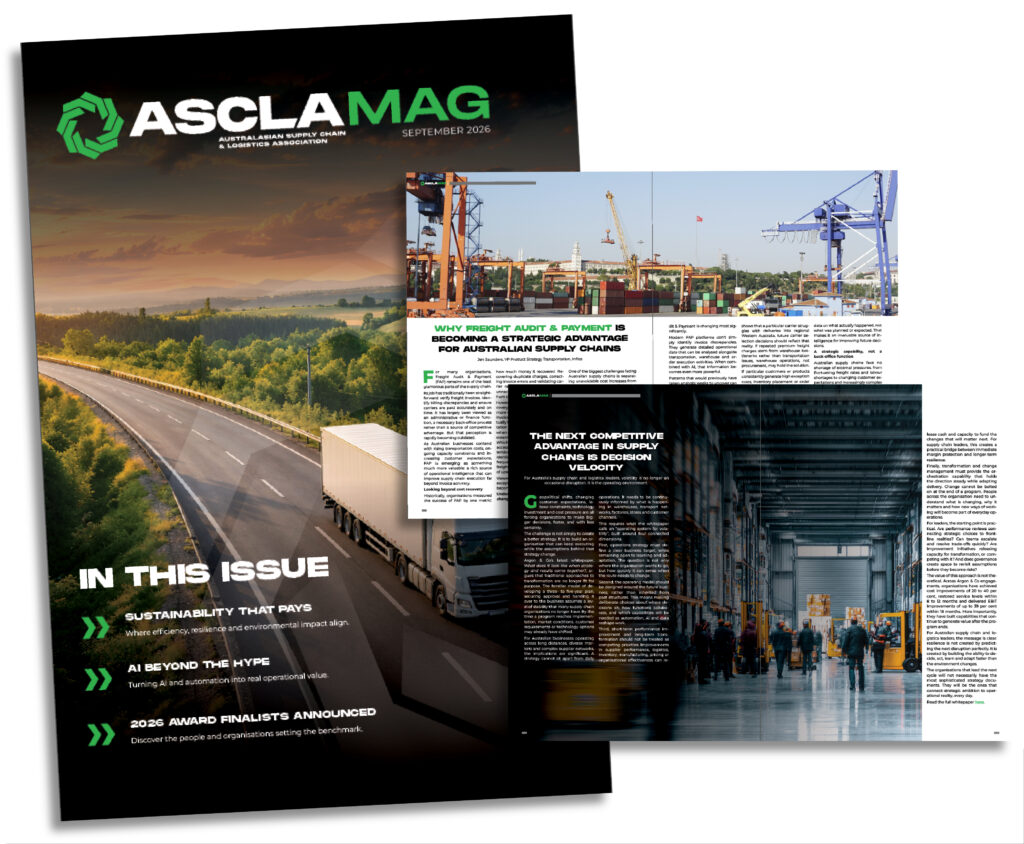
The September 2026 edition of ASCLA Mag explores how sustainability is becoming a practical business advantage across Australasia’s supply chain and logistics industry. As AI, data and operational innovation reshape how goods are planned, moved and delivered, this edition examines the strategies helping organisations reduce waste, improve efficiency, strengthen freight resilience and build the workforce…

Data Centres and the Squeeze on Logistics Land
By Steven Ballerini | CEO of Australasian Supply Chain & Logistics Association (ASCLA) For most of the past decade, the competition for industrial land on the fringes of Sydney and Melbourne was a contest between logistics operators, manufacturers and the developers who built for them. That contest has acquired a new and considerably better-funded participant.…